

-
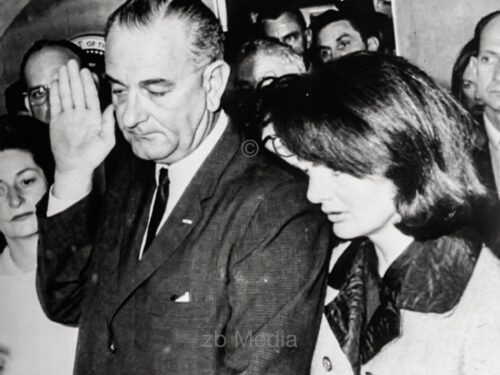 His successor, Lyndon B. Johnson, assumed the presidency and continued many of Kennedy's political objectives, especially the civil rights movement and social reforms (Great…
 -
 Internationally, the assassination triggered shock and uncertainty, especially during the Cold War, since Kennedy was regarded as a strong opponent of the Soviet Union.
 -
 Internationally, the assassination caused shock and uncertainty, especially in the Cold War, as Kennedy was considered a strong opponent of the Soviet Union.
 -
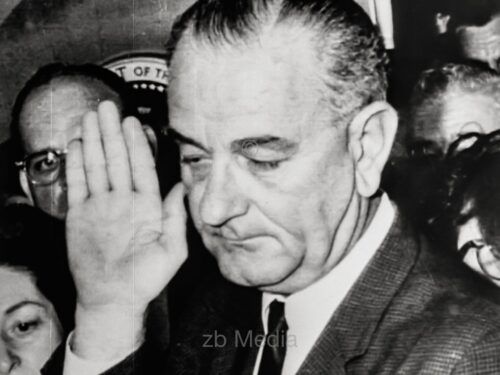 The assassination of President John F. Kennedy on November 22, 1963, in Dallas, Texas, was an event of worldwide significance with profound political, social, and historical…
 -
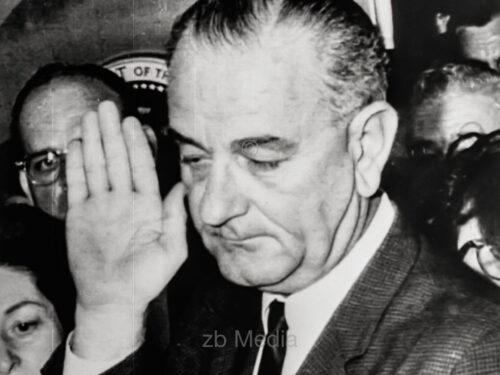 It fueled numerous conspiracy theories since the official investigations (Warren Commission) were contentious and to this day, doubts about Lee Harvey Oswald's sole responsibility…
 -
 Assassination of John F. Kennedy, 1963 The assassination of President John F. Kennedy on November 22, 1963, in Dallas, Texas, was an earth-shattering event with profound…
 -
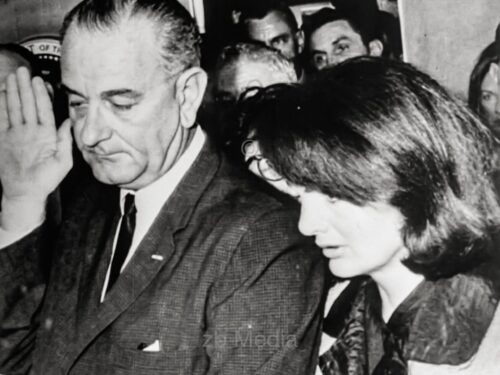 Assassination of John F. Kennedy, 1963; The assassination of President John F. Kennedy on November 22, 1963, in Dallas, Texas, was a world-shaking event with profound political,…
 -
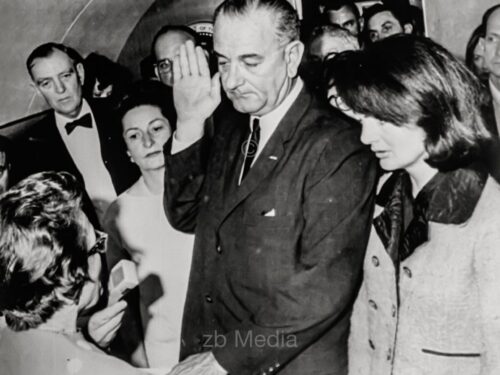 1. Political significance (USA and international) The USA lost a charismatic young president who represented progress, civil rights, and a new foreign policy.
 -
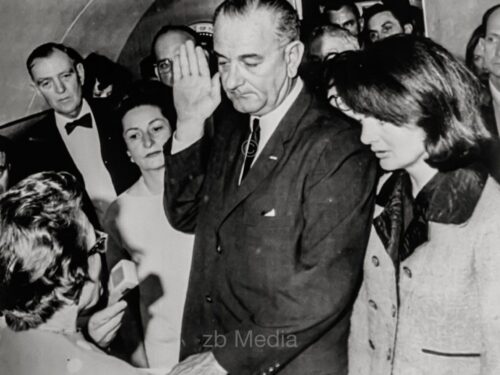 Internationally, the murder caused shock and uncertainty, especially in the Cold War, as Kennedy was known as a strong opponent of the Soviet Union.
 -
 Assassination of John F. Kennedy, 1963; The assassination of President John F. Kennedy on November 22, 1963, in Dallas, Texas, was a world-shaking event with profound political,…
 -
 Internationally, the murder sparked shock and uncertainty, particularly during the Cold War, as Kennedy was seen as a strong opponent of the Soviet Union.
 -
 His successor Lyndon B. Johnson assumed the presidency and carried forward many of Kennedy’s political goals, especially the civil rights movement and social reforms (Great…
 -
 Internationally, the murder caused shock and uncertainty, particularly in the Cold War, as Kennedy was considered a strong adversary of the Soviet Union.
 -
 1. Political significance (USA and international) The USA lost a charismatic, young president who represented progress, civil rights, and a new foreign policy.
 -
 The assassination of President John F. Kennedy on November 22, 1963, in Dallas, Texas, was a world-moving event with profound political, societal, and historical impacts.
 -
 Internationally, the assassination caused shock and uncertainty, particularly during the Cold War, as Kennedy was considered a strong opponent of the Soviet Union.
 -
 The assassination of President John F. Kennedy on November 22, 1963, in Dallas, Texas, was a world-changing event with far-reaching political, social, and historical impacts.
 -
 2. Impact on the Cold War Kennedy advocated for a controlled rapprochement between the USA and the Soviet Union (e.g., the Nuclear Test Ban Treaty of 1963).
 -
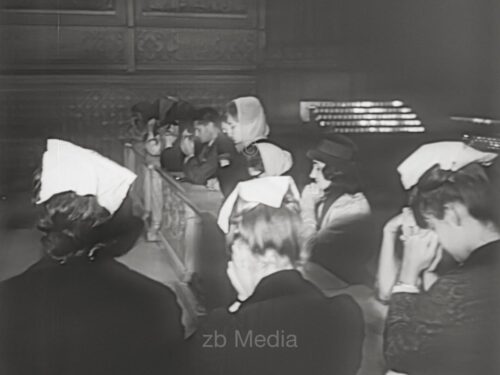
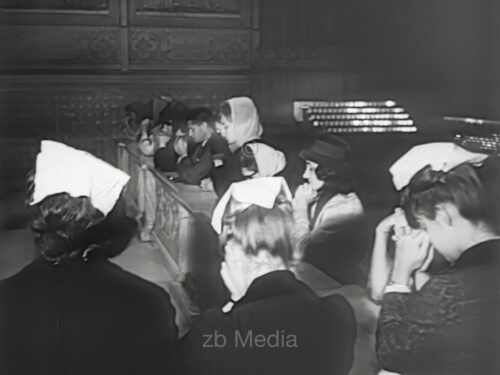
 In West Berlin, his assassination caused deep dismay, as many saw him as a symbol of Western protective power against the Soviet Union.
 -
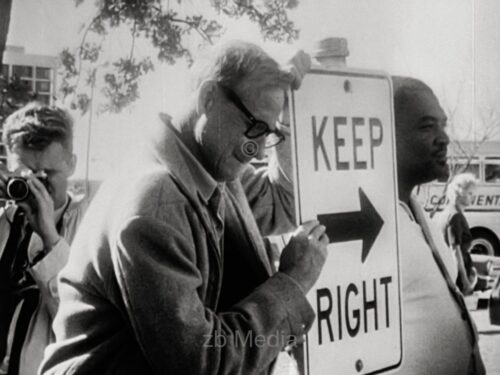 Internationally, the murder sparked shock and uncertainty, especially during the Cold War, as Kennedy was seen as a strong opponent of the Soviet Union.
 -
 It fueled numerous conspiracy theories, as the official investigations (Warren Commission) were controversial and doubts about the sole perpetration of Lee Harvey Oswald persist…
 -
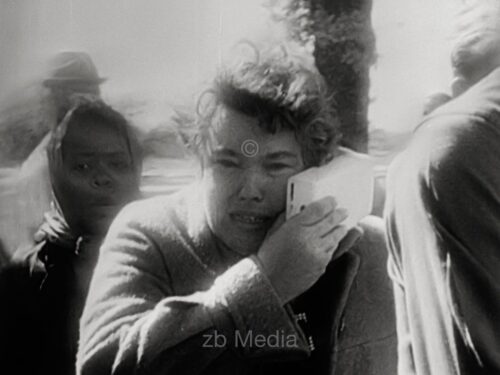 Internationally, the assassination sparked shock and uncertainty, particularly during the Cold War, as Kennedy was seen as a strong opponent of the Soviet Union.
 -
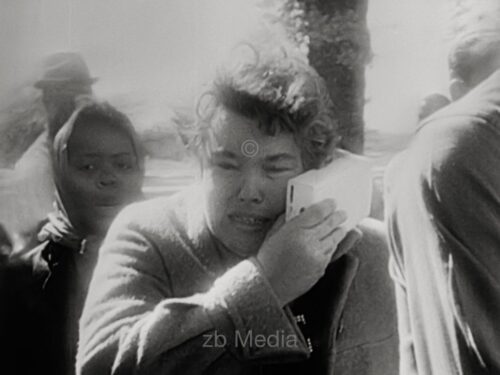 Internationally, the murder sparked shock and uncertainty, particularly during the Cold War since Kennedy was considered a strong opponent of the Soviet Union.
 -
 Internationally, the assassination sparked shock and uncertainty, especially during the Cold War, as Kennedy was regarded as a strong opponent of the Soviet Union.
 -
 The assassination of President John F. Kennedy on November 22, 1963, in Dallas, Texas, was an event of global significance with profound political, social, and historical impacts.
 -
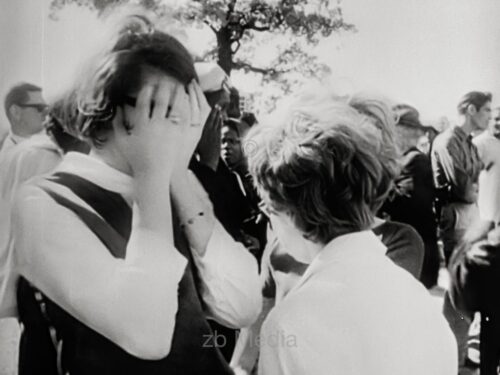 His death led to uncertainty about future U.S.
 -
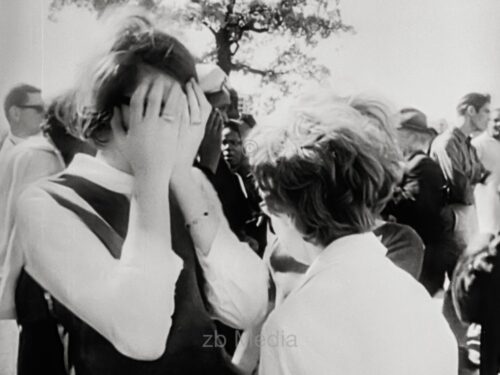 Internationally, the assassination triggered shock and uncertainty, especially during the Cold War, as Kennedy was regarded as a strong opponent of the Soviet Union.
 -
 The assassination of President John F. Kennedy on November 22, 1963, in Dallas, Texas, was a world-changing event with profound political, societal, and historical consequences.
 -
 Assassination of John F. Kennedy, 1963 The assassination of President John F. Kennedy on November 22, 1963, in Dallas, Texas, was a world-changing event with profound political,…
 -
 The assassination of President John F. Kennedy on November 22, 1963, in Dallas, Texas, was an earth-shattering event with profound political, social, and historical impacts.
 -
 The assassination of President John F. Kennedy on November 22, 1963 in Dallas, Texas, was a world-changing event with profound political, social, and historical impacts.
 -
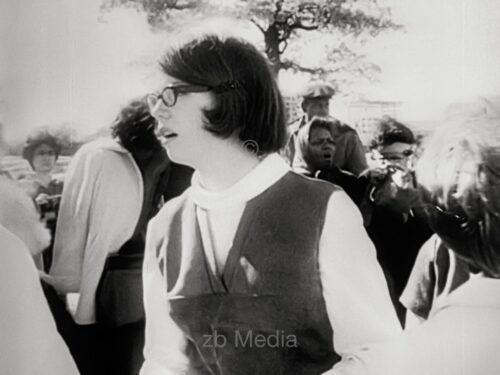 Internationally, the murder triggered shock and uncertainty, especially during the Cold War, as Kennedy was seen as a strong opponent of the Soviet Union.
 -
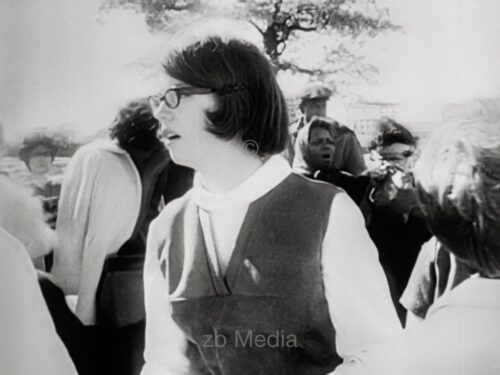 Internationally, the murder caused shock and uncertainty, particularly during the Cold War, as Kennedy was considered a strong opponent of the Soviet Union.
 -
 Internationally, the assassination caused shock and uncertainty, especially in the Cold War, as Kennedy was considered a strong opponent of the Soviet Union.
 -
 His successor, Lyndon B. Johnson, took over the presidency and continued many of Kennedy's political goals, particularly the civil rights movement and social reforms (Great…
 -
 Internationally, the murder caused shock and uncertainty, particularly during the Cold War, as Kennedy was considered a strong opponent of the Soviet Union.
 -
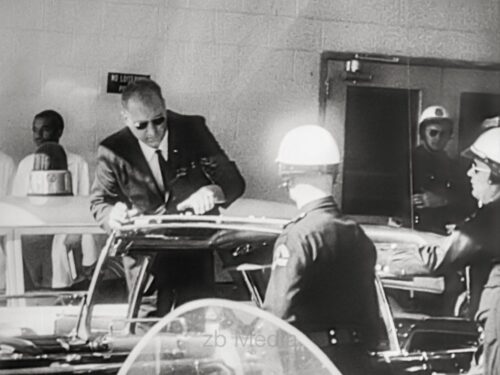 The assassination of President John F. Kennedy on November 22, 1963, in Dallas, Texas, was a world-shaking event with profound political, societal, and historical implications.
 -
 The assassination of President John F. Kennedy on November 22, 1963, in Dallas, Texas, was a world-changing event with profound political, societal, and historical implications.
 -
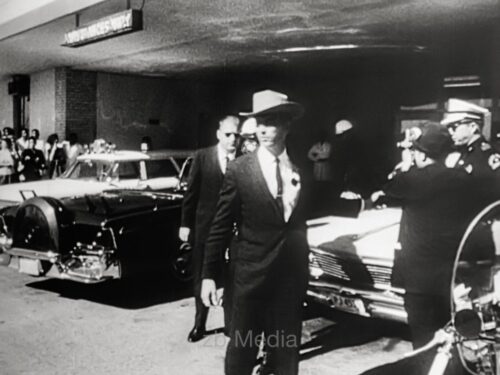 The assassination of President John F. Kennedy on November 22, 1963, in Dallas, Texas, was a world-shattering event with profound political, social, and historical impacts.
 -
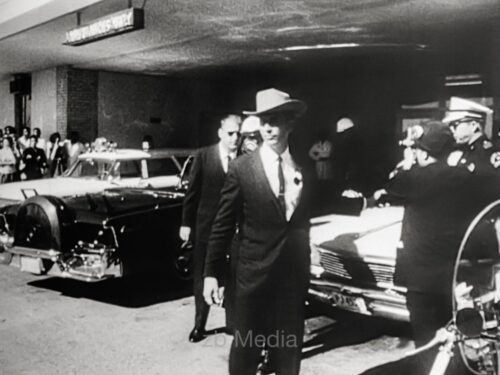 The assassination of President John F. Kennedy on November 22, 1963, in Dallas, Texas, was an earth-shaking event with profound political, societal, and historical implications.
 -
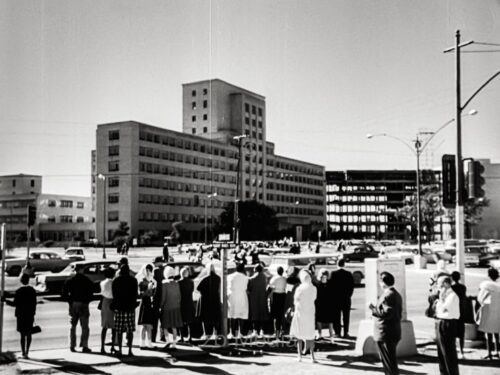 The assassination of President John F. Kennedy on November 22, 1963, in Dallas, Texas, was a world-shaking event with profound political, social, and historical ramifications.
 -
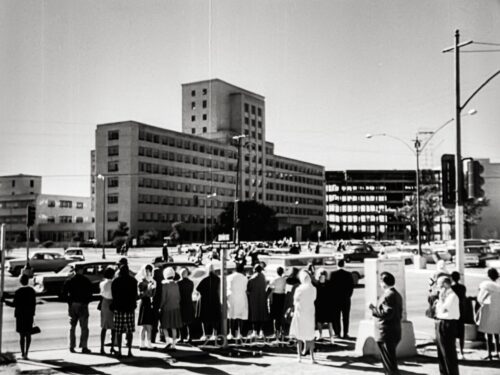 Internationally, the assassination caused shock and uncertainty, particularly during the Cold War, as Kennedy was seen as a strong opponent of the Soviet Union.
 -
 1. Political significance (USA and international) The USA lost a charismatic, young president, who stood for progress, civil rights, and a new foreign policy.
 -
 Internationally, the assassination sparked shock and uncertainty, especially during the Cold War, as Kennedy was seen as a strong opponent of the Soviet Union.
 -
 The assassination of President John F. Kennedy on November 22, 1963, in Dallas, Texas, was a world-shattering event with profound political, societal, and historical impacts.
 -
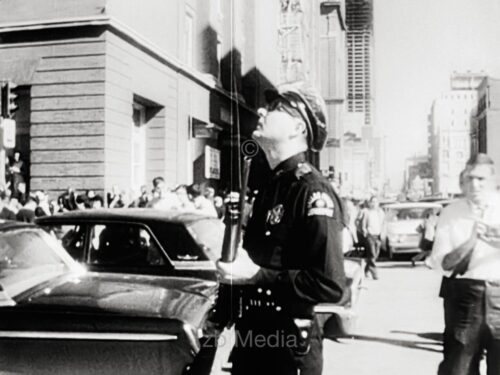 Internationally, the murder sparked shock and uncertainty, especially during the Cold War, as Kennedy was considered a strong opponent of the Soviet Union.
 -
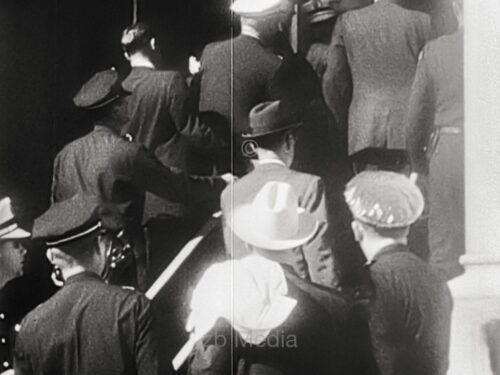 The assassination of President John F. Kennedy on November 22, 1963, in Dallas, Texas, was an earth-shattering event with profound political, societal, and historical impacts.
 -
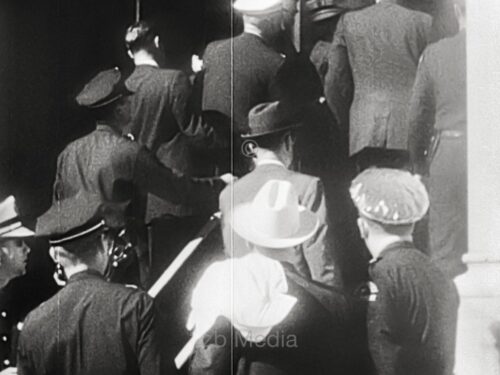 Internationally, the murder caused shock and uncertainty, especially in the Cold War, as Kennedy was considered a strong adversary of the Soviet Union.
